Marketing

Every few weeks, a business owner asks us a version of the same question: should we go after city keywords like "roofer in Tampa," or industry keywords like "commercial roof coating contractor"? The honest answer is that one tends to bring traffic and the other tends to bring leads, and which is which depends on how your business sells, not on a generic SEO checklist.
At Esco Logics, we plan keyword strategies for local service companies, healthcare brands, and B2B businesses across more than 23 states. After reviewing lead data from those campaigns, we have learned that choosing between city keywords or industry keywords is rarely an either/or decision. It is a question of search intent, sequence, and where your buyers are when they start searching. Here is how to make the call.
Location-based keywords attach a place to a need. "Dentist in Naperville," "Fort Lauderdale web design," and "emergency electrician Evanston" are all geo-targeted keywords. This group also includes implicit local searches, such as someone typing "AC repair" on their phone. The user never names a city, but Google still shows nearby results.
Industry-specific keywords describe the problem, the solution, or the buyer's niche without tying it to a place. "HIPAA-compliant patient intake forms," "SEO for immigration lawyers," and "commercial kitchen hood cleaning" fall into this bucket. Search volume is often lower, but the person searching usually knows exactly what they need.
Service area keywords sit between the two. They target the suburbs, towns, and neighborhoods around your base, which is where most of the growth in city-based SEO actually happens.
City keywords usually win when three conditions are true:
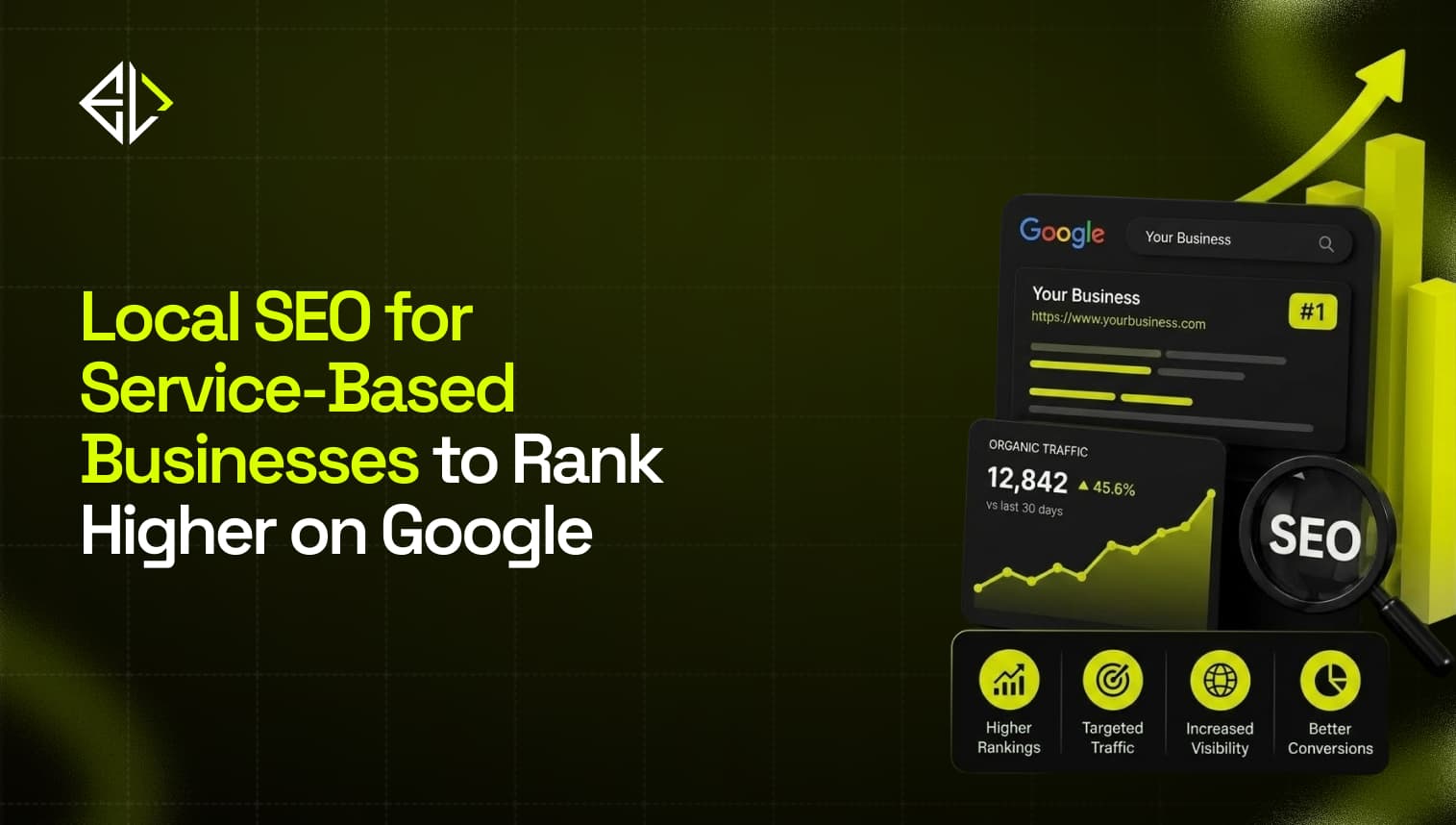
In these markets, someone searching "water heater replacement Aurora IL" has already decided what to buy. They are only choosing who to call. That is about as much commercial intent as a keyword can carry, which is why local keywords often convert far better than broad informational terms. If this describes your business, our guide on local SEO strategies for service-based businesses covers the execution side step by step.
Industry-specific keywords take the lead when:
An immigration law firm, for example, may earn more qualified consultations from "H-1B visa denial lawyer" than from "attorney Chicago." The first keyword filters out everyone the firm cannot help. The same logic shapes how we build websites. Buyers in regulated or specialized fields look for a specialist first and a location second, which is why we offer industry-focused work such as law firm web design and healthcare web design alongside our city pages.
For most keywords for local businesses, the smartest play combines both: "pediatric dentist in Boca Raton," "HVAC repair for restaurants in Orlando," or "family law attorney in Tampa." These long-tail phrases have smaller search volumes, but they carry clear intent from two directions at once. Competition is lower, and the visitors who arrive are close to pre-qualified.
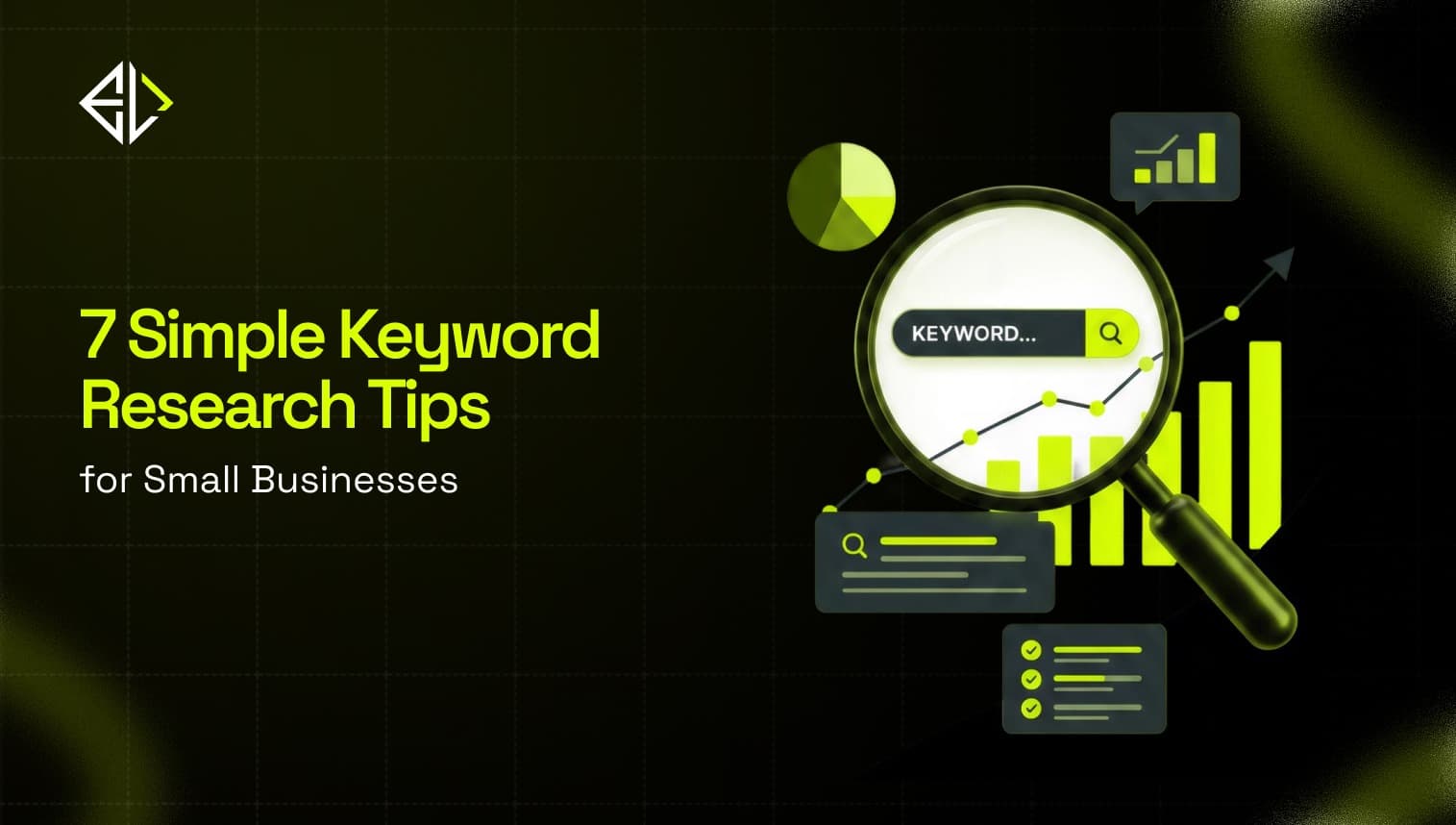
A simple keyword matrix helps you find them. List your top five services down one side and your top five cities across the top. Each cell is a potential page or content target. Then score every cell on three factors: realistic monthly searches, average job value, and how much proof you already have in that city (reviews, completed projects, case studies). Start with the highest-scoring cells, not the biggest cities.
This is the same approach our team uses when planning SEO services for multi-location clients, because it prevents a costly mistake: launching 40 thin pages that nobody reads and Google does not trust.
Rankings only matter when they produce inquiries. These are the tactics we have seen increase lead volume, not just traffic.
A visitor from a city keyword wants speed: same-day booking, a click-to-call button, and a price range. A visitor from an industry keyword wants proof: a case study, a checklist, or a free audit. When the offer fits the intent behind the query, conversion rates rise without a single extra visitor.
Open the Performance report in Google Search Console and filter queries by your core service terms. You will often find impressions for towns you never targeted. Those are service area keywords Google already connects with your site, and a dedicated, useful page can turn those impressions into calls.
Use call tracking numbers and tagged forms to separate leads that come from city pages and industry pages. After 90 days, compare cost per lead and close rate for each group. That data will settle the city keywords or industry keywords question for your business far better than any tool's volume estimate.
Google's spam policies specifically warn against doorway pages that target similar city terms with near-identical content. Every city page needs something unique, such as local projects, pricing differences, permit rules, climate factors, or client stories from that area. If you cannot write something specific about a city, you are not ready to target it yet.
For industry keywords, publish content that answers the questions buyers ask right before they reach out: cost breakdowns, "X vs. Y" comparisons, compliance requirements, and realistic timelines. These pages attract fewer visitors than broad guides, but their readers are usually already shortlisting vendors.
If customers come to you, or you go to them within a defined radius, start with city keywords and expand into surrounding service areas. If you sell expertise that travels, start with industry-specific keywords and add city modifiers only where you already have real clients. If you are both, start with the hybrid matrix and let your tracked lead data decide where to invest next quarter.
Not sure where your next client is searching from? The team at Esco Logics can audit your current rankings, build your keyword matrix, and pair it with location or industry-focused web design that is built to convert. Book a free consultation, and we will show you where your best leads are coming from.
Got any Questions?
Let us know! Reach out and our team will get right back to you.
Technology should be simple, powerful, and future‑ready. That’s what we create at Esco Logics.
Book a Free Consultation